Emerging Technology Trends 2026: AI, Blockchain, and Beyond
 Posted On
Technology is evolving at an unprecedented pace, and 2026 promises to be a landmark year for innovation. Businesses, governments, and individuals are increasingly adopting new tools to improve efficiency, enhance decision-making, and drive economic growth. Understanding emerging technology trends 2026 is essential for anyone who wants to stay ahead in this rapidly changing landscape. From artificial intelligence to blockchain and beyond, these trends are shaping the future of industries, jobs, and everyday life.
In this article, we will explore the most influential technologies expected to dominate 2026, their practical applications, and how businesses and individuals can leverage them for competitive advantage. By examining these developments, readers will gain insight into the direction of technology and the opportunities it presents.
Artificial Intelligence and Machine Learning
Artificial intelligence (AI) remains at the forefront of emerging technology trends 2026. AI is no longer limited to research labs or tech giants; it is now integrated into everyday business operations. From customer service chatbots to advanced predictive analytics, AI helps organizations optimize processes and deliver better experiences.
Intelligent Automation
Intelligent automation is transforming industries by combining AI with robotic process automation (RPA). Businesses can automate repetitive tasks, reduce errors, and free up employees for higher-value work. In 2026, organizations adopting AI-driven automation will gain a significant competitive edge, making it a key component of any technology strategy.
AI in Healthcare
Healthcare is also being revolutionized by AI. Predictive algorithms can analyze patient data, assist in early disease detection, and even recommend personalized treatment plans. As part of emerging technology trends 2026, AI is expected to enhance clinical decision-making, improve patient outcomes, and reduce operational costs across hospitals and clinics worldwide.
Blockchain and Decentralized Systems
Blockchain technology has evolved far beyond cryptocurrencies. Its decentralized and secure nature makes it ideal for industries that require transparency and trust. Understanding emerging technology trends 2026 requires recognizing how blockchain is being applied in finance, supply chains, and digital identity verification.
Smart Contracts
Smart contracts are self-executing agreements stored on a blockchain. They reduce the need for intermediaries, lower costs, and minimize disputes. In 2026, smart contracts are expected to streamline business processes, from real estate transactions to international trade.
Supply Chain Transparency
Blockchain enables real-time tracking of goods across complex supply chains. Companies can verify the origin of raw materials, monitor product quality, and ensure ethical sourcing. As supply chain management becomes increasingly critical, blockchain solutions will be a vital part of emerging technology trends 2026.
Internet of Things (IoT)
The Internet of Things continues to expand, connecting devices, sensors, and systems to collect and share data. IoT is central to smart cities, industrial automation, and connected healthcare solutions, making it a major trend in 2026.
Smart Cities and Infrastructure
IoT devices help city planners monitor traffic, reduce energy consumption, and improve public safety. In 2026, urban areas adopting IoT technologies will see enhanced efficiency and sustainability, aligning with global initiatives for smarter, greener cities.
Industrial IoT
In manufacturing and logistics, IoT enables predictive maintenance, real-time asset tracking, and process optimization. Companies implementing Industrial IoT solutions gain operational efficiency and cost savings, positioning IoT as a critical component of emerging technology trends 2026.
Extended Reality: AR and VR
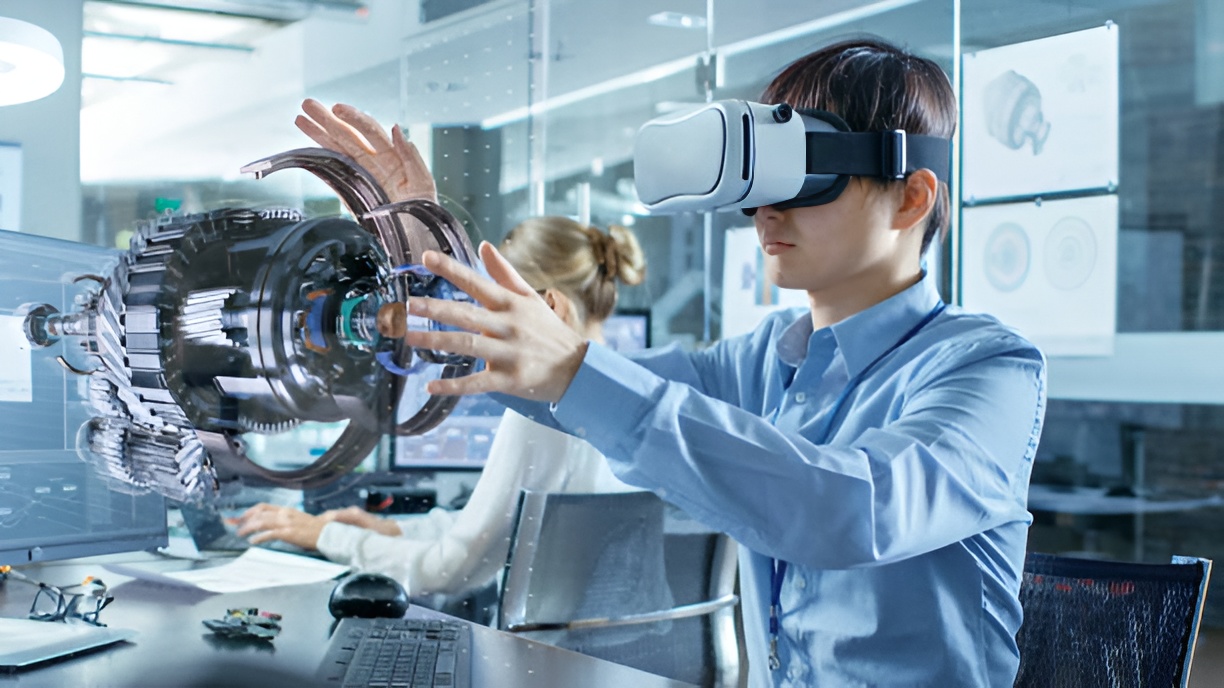
Extended reality, including augmented reality (AR) and virtual reality (VR), is transforming how people interact with digital content. From immersive training programs to enhanced shopping experiences, AR and VR are part of the key emerging technology trends 2026.
Training and Simulation
AR and VR are increasingly used in education and professional training. Employees can practice complex tasks in a risk-free virtual environment, improving skill retention and reducing training costs. Industries such as aviation, healthcare, and manufacturing are adopting these solutions rapidly.
Consumer Experiences
Retailers and entertainment companies are leveraging AR and VR to engage customers in innovative ways. Virtual try-on experiences, immersive concerts, and interactive storytelling are becoming mainstream, demonstrating how these technologies are reshaping consumer expectations in 2026.
Quantum Computing
Quantum computing, though still in its early stages, is poised to disrupt fields that require extreme computational power. It represents one of the most transformative emerging technology trends 2026.
Solving Complex Problems
Quantum computers can solve optimization problems, simulate molecular interactions, and enhance cryptographic security. Industries such as pharmaceuticals, finance, and energy stand to benefit immensely from quantum breakthroughs.
Strategic Advantage
Organizations investing in quantum research gain a strategic advantage by accessing computational capabilities that classical computers cannot match. As technology matures, quantum computing will redefine innovation and competitive landscapes.
5G and Advanced Connectivity
Connectivity technologies like 5G are critical enablers of many emerging technology trends 2026. Faster networks, lower latency, and higher bandwidth allow IoT devices, autonomous systems, and immersive media to function seamlessly.
Industrial and Consumer Applications
5G networks support real-time data transfer for smart factories, autonomous vehicles, and telemedicine. Consumers benefit from enhanced mobile experiences, cloud gaming, and high-definition streaming. By 2026, 5G will be foundational for next-generation digital services.
Edge Computing
Combined with 5G, edge computing brings data processing closer to devices, reducing latency and improving efficiency. This synergy enables advanced applications in AI, IoT, and AR/VR, reinforcing 5G’s role in shaping future technology landscapes.
Cybersecurity in a Digital-First World
As digital transformation accelerates, cybersecurity becomes an integral part of emerging technology trends 2026. Protecting sensitive data and digital infrastructure is essential for businesses and consumers alike.
Threat Detection and Prevention
AI-driven cybersecurity tools analyze network activity, detect anomalies, and respond to threats in real time. As cyberattacks become more sophisticated, these solutions are vital to maintaining trust and operational continuity.
Regulatory Compliance
Data protection regulations are evolving alongside technology trends. Organizations must implement secure systems and practices to comply with privacy laws, making cybersecurity a strategic priority for 2026 and beyond.
Conclusion
The technological landscape in 2026 will be defined by AI, blockchain, IoT, extended reality, quantum computing, 5G, and advanced cybersecurity solutions. These emerging technology trends 2026 are transforming industries, creating new business opportunities, and reshaping how individuals interact with technology.
Businesses that adopt these trends strategically can improve efficiency, enhance customer experiences, and gain competitive advantages. For entrepreneurs, technologists, and decision-makers, staying informed about these developments is essential to future-proof operations and remain at the forefront of innovation.
From automation and decentralized systems to immersive digital experiences and quantum breakthroughs, the opportunities in 2026 are vast. By understanding and leveraging emerging technology trends 2026, organizations can navigate the evolving digital landscape with confidence, capitalize on new possibilities, and lead in their respective industries.