Startup vs Small Business Difference: Key Factors You Must Know
 Posted On
Entrepreneurship is an exciting journey, but many aspiring business owners often get confused between a startup and a small business. Understanding the startup vs small business difference is crucial because it affects how you plan, raise funds, manage operations, and define long-term goals. While both involve building a business, their approach, risk levels, growth potential, and objectives are fundamentally different.
A clear understanding of the startup vs small business difference helps entrepreneurs make informed decisions about their ventures. Whether you want to build a scalable tech company or run a local service-based business, knowing the distinctions will guide your strategy, funding choices, and day-to-day operations.
In this article, we will explore the critical differences, practical examples, and key factors that define a startup versus a small business. This knowledge will equip you to choose the path that aligns best with your goals and resources.
Definition and Purpose
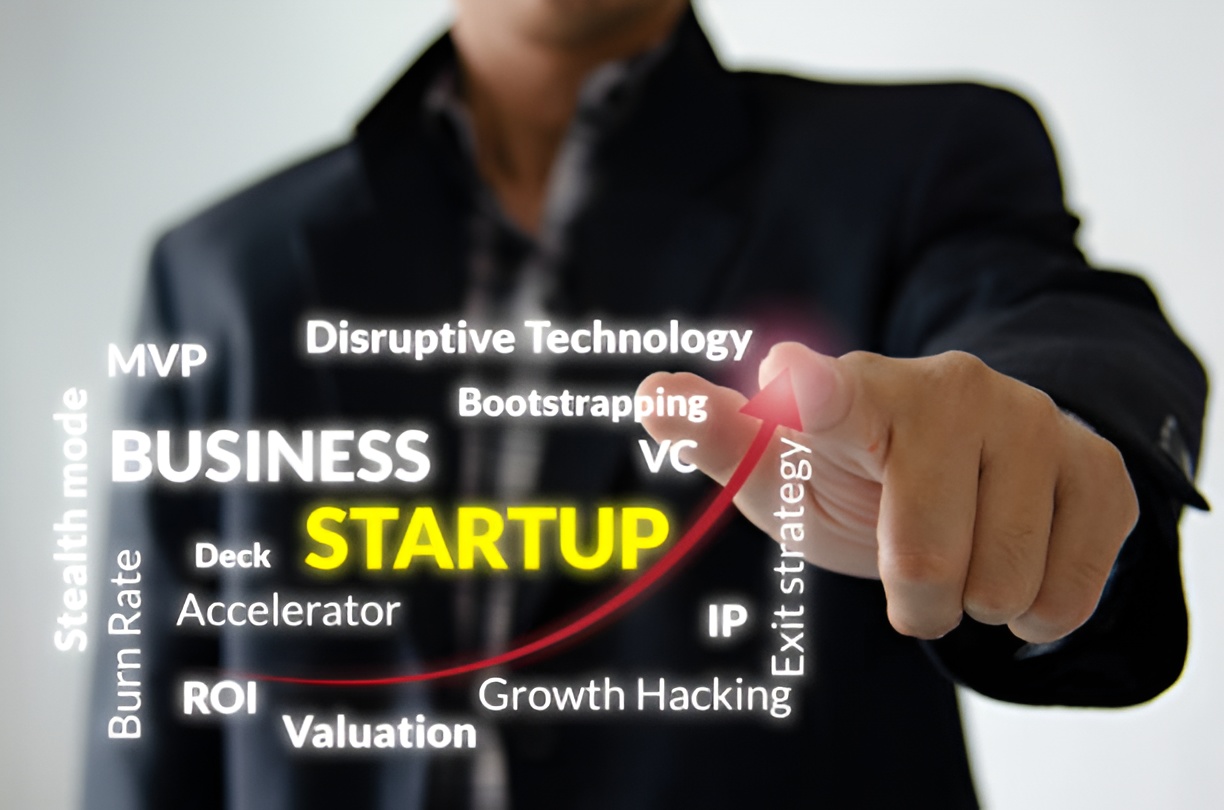
The first step in understanding the startup vs small business difference is examining their definitions and primary purposes. A startup is usually a newly established company designed to bring an innovative product or service to market with high growth potential. Startups often aim to disrupt industries or create entirely new markets. The focus is on scalability, rapid growth, and attracting external funding such as venture capital.
In contrast, a small business is typically a locally owned enterprise that focuses on serving a specific community or niche. Small businesses prioritize stability, consistent revenue, and sustainable operations. Their primary objective is often to provide a livelihood for the owner and employees rather than achieving exponential growth.
Risk and Uncertainty
One of the key aspects of the startup vs small business difference is the level of risk involved. Startups operate in high uncertainty environments. They experiment with business models, test innovative ideas, and often pivot based on market feedback. Because of this uncertainty, many startups fail within the first few years. However, successful startups can grow rapidly and achieve significant market impact.
Small businesses, on the other hand, generally operate in established markets with predictable demand. The risk is lower, and the business model is usually proven. While small businesses can face challenges such as competition or market fluctuations, their operations are often more stable and manageable compared to startups.
Funding and Investment
Funding is another important factor in the startup vs small business difference. Startups typically require external funding to scale quickly. They may seek venture capital, angel investors, or crowdfunding to accelerate growth. This investment is based on the potential for high returns rather than immediate profitability.
Small businesses often rely on personal savings, bank loans, or small business grants. They usually prioritize generating steady revenue over attracting large-scale investment. This difference in funding approach reflects the fundamental contrast between the aggressive growth of startups and the sustainable model of small businesses.
Growth Expectations
A key element tied to funding is growth expectations. Startups aim for rapid expansion, often targeting national or global markets within a few years. Small businesses focus on steady, incremental growth, often serving a specific geographic area or niche market.
Innovation and Business Model
Innovation plays a central role in the startup vs small business difference. Startups are built on unique ideas or disruptive solutions. Their business models are designed to adapt, scale, and respond to customer feedback quickly. Many tech companies, app developers, and online platforms are considered startups because they aim to revolutionize an industry.
Small businesses, by contrast, often operate with traditional business models that are well-established and proven. Restaurants, retail shops, local service providers, and family-run stores typically fall into this category. Innovation is still present but is usually incremental rather than disruptive.
Scalability and Market Reach
Scalability is a defining characteristic in understanding the startup vs small business difference. Startups are designed to scale rapidly. Their products or services can reach millions of users without a proportional increase in costs. This is particularly evident in tech-based startups, SaaS platforms, or online marketplaces.
Small businesses are generally limited by geography or operational capacity. While they can grow steadily, scaling requires significant investment in infrastructure, workforce, and logistics. This limitation differentiates small businesses from startups that aim to reach global audiences quickly.
Revenue Models and Profitability
The approach to revenue is another important factor in the startup vs small business difference. Startups may operate for years without turning a profit while focusing on growth, market share, and user acquisition. Investors are willing to fund these companies with the expectation that profitability will come later.
Small businesses, however, often prioritize profitability from the start. Revenue generation is essential for survival, and owners focus on managing costs, serving customers, and maintaining steady cash flow. This contrast highlights the difference in financial strategy between the two models.
Ownership and Control
Ownership structure also distinguishes startups from small businesses. Startups often involve multiple stakeholders, including founders, investors, and venture capitalists. This shared ownership can dilute control but provides the resources needed for rapid growth.
Small businesses are usually owned by an individual or a small group of partners. Owners retain full control over decision-making and operations, which allows for more personal management and direct influence over the business direction.
Exit Strategy
Another critical aspect of the startup vs small business difference is the exit strategy. Startups often plan for acquisitions, mergers, or initial public offerings (IPOs) as a way to realize significant financial returns. These exit strategies attract investors and motivate rapid growth.
Small businesses typically focus on long-term operations. Owners may pass the business to family members, sell to another entrepreneur, or maintain it as a sustainable source of income. The exit strategy reflects the long-term focus and lower risk tolerance of small businesses compared to startups.
Decision-Making: Which Path to Choose
Choosing between a startup and a small business depends on your goals, resources, risk appetite, and desired lifestyle. If you are passionate about innovation, willing to take risks, and aim for rapid growth with external investment, a startup may be the right choice.
If you prefer stability, steady income, and control over operations without the pressure of scaling rapidly, a small business may better suit your needs. Understanding the startup vs small business difference ensures you make informed decisions and align your business model with your personal and professional objectives.
Conclusion
In summary, the startup vs small business difference revolves around growth potential, risk, funding, innovation, and operational approach. Startups focus on disruptive ideas, rapid scalability, and attracting investors, while small businesses prioritize stability, steady revenue, and serving local or niche markets.
Recognizing these differences is crucial for aspiring entrepreneurs. Choosing the right model impacts every aspect of your business, from funding and operations to marketing, staffing, and long-term strategy. By understanding the startup vs small business difference, you can take the first step toward building a business that aligns with your goals, resources, and vision for the future.
Whether you dream of creating the next tech unicorn or running a successful neighborhood shop, knowing the distinctions will help you plan, execute, and grow with confidence.